
How to Get Your Shipment Insurance Claim Approved
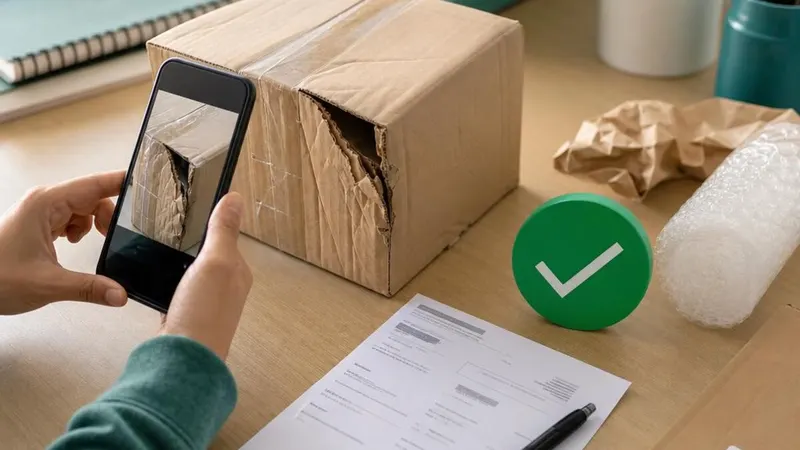
No one can guarantee a shipping insurance claim will be approved. Eligibility depends on the policy, the shipment, the evidence you submit, and the insurer's review. Preparing the right records before and after shipping gives your claim the best chance of being assessed without avoidable delays.
Before the package leaves
Read the coverage terms for the exact item, service, and destination. Check item restrictions, value rules, packaging requirements, signature or tracking requirements, and the provider's current filing process. Record the tracking number and keep proof that coverage was actually purchased. Save the order receipt, invoice, appraisal, or other evidence of value. If the item has a serial number or another identifying detail, record it with your shipment file.
Pack the item to withstand ordinary handling, using a sturdy box and enough cushioning to prevent movement. Do not assume that attractive retail packaging is suitable for transit: some policies exclude a manufacturer's box or packaging that describes or alludes to the contents. Follow the policy's packaging instructions rather than relying on a general packing rule. For fragile or high-value goods, photograph the item before packing, the protective materials around it, and the sealed parcel. These photographs can help show condition and preparation, but they do not replace the policy's requirements.
Declared value vs. cargo insurance
Know what kind of protection you purchased. Carrier-provided protection and declared-value coverage are governed by the carrier's service rules. A declared value commonly sets the maximum amount the carrier will consider for a loss, but a carrier may also require evidence that it was responsible for the loss or damage. The amount, eligibility, exclusions, and proof required vary by service, so verify them before shipping rather than relying on an old coverage amount.
Third-party cargo or shipment insurance is a separate policy. It may evaluate a covered physical loss under its own terms rather than using the carrier's declared-value process, but it is not automatic coverage: exclusions, packaging conditions, valuation rules, and documentation requirements still apply. Do not treat carrier protection and third-party insurance as interchangeable, and do not assume that buying both guarantees two recoveries for the same loss. Check which provider covers the shipment and follow that provider's terms.
When a buyer reports a problem
Ask for photos of any damage and the outside and inside of the package. Have the recipient keep the goods and original packaging in the condition received until the claim is resolved; the carrier or insurer may ask to inspect them. If damage is visible at delivery, ask the recipient to follow the carrier's process for noting it. For a missing shipment, check tracking and delivery details before filing. Continue to handle the buyer's order issue under the marketplace or store rules; an insurance claim and a buyer refund are separate processes.
Submitting your claim
Before opening the claim, assemble a simple submission checklist:
- The shipment's tracking number and delivery or tracking history. 2. Proof that the relevant coverage was purchased, including the insured shipment details. 3. Evidence of value, such as an order record, invoice, receipt, or other document accepted by the provider. 4. Proof of damage or loss, including photographs, recipient information, and any carrier report or inspection record available. 5. The original goods and packaging, retained for inspection when required.
File with the provider that covers the shipment and follow its current filing window rather than relying on an old blog post. Carrier and service rules differ, and a third-party insurer may have a separate workflow or additional forms. Answer follow-up requests promptly, keep copies of everything you send, and note when each document was submitted. A complete, consistent record cannot guarantee approval, but missing records or discarded packaging can make a covered loss harder to establish.
For carrier coverage, use the official instructions to file a USPS claim, file a UPS claim, or file a FedEx claim. If you bought ShipSaver insurance, follow the claim instructions in your account and review the ShipSaver insurance terms. These links lead to current procedures; always check the relevant provider's requirements for your shipment.
Written by ShipSaver